
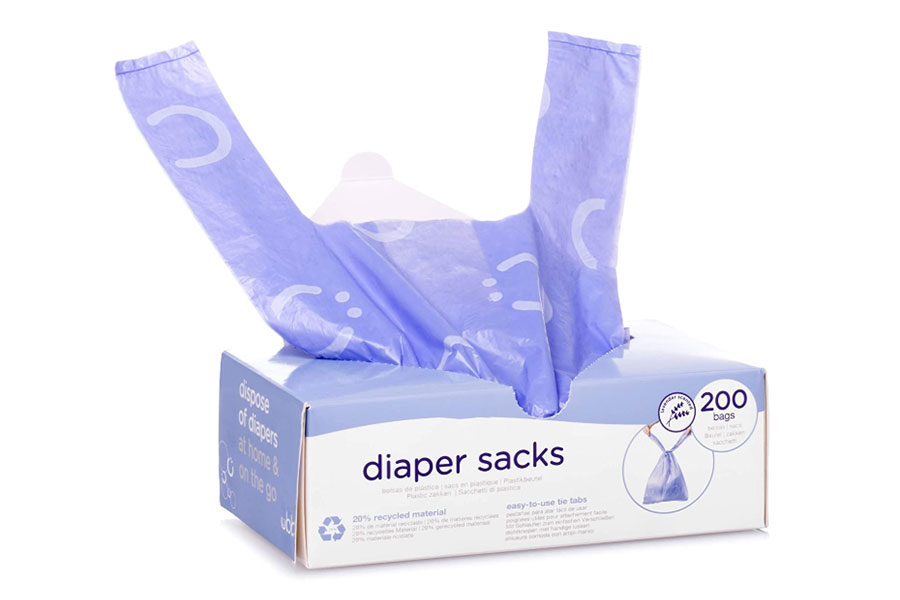
Choose a retail nappy sack around the size of a rolled nappy at the point it goes into the bag. The useful sample is the one an adult can open, load and tie in the normal sequence, with enough space for the largest bundle you intend to describe on the pack. Age bands are a poor substitute for that trial. Two nappies sold for the same age can produce different bundles, and the same nappy may be folded quite differently at home and in a childcare setting.
Start with the job the pack will advertise. A sack for a single rolled disposable nappy has a clear reference load. If the pack is intended to include wipes in the same sack, include them in the trial. If the range covers bulky pull-ups or an overnight nappy, put those bundles on a separate test line. Leave them out of the size claim if they were never part of the comparison. It is easier to review a short list of specific loads than a statement that the sack suits “all sizes.”
Make a bundle that can be reproduced
Use clean samples and representative inert filling for the buyer trial. Prepare the roll the way a carer would normally dispose of it, using its tabs where appropriate. The volume of a folded nappy can change substantially with the amount and arrangement of filling. Record how the surrogate was made so a second person can prepare a similar roll. Put a scale or ruler in the reference photo and record the main dimensions with the roll resting on a flat surface. Avoid squeezing it to an artificially small shape just to get a tidy reading.
Measure the length along the roll and its widest cross-section. If it is oval, write down both the broad dimension and the thickness. Pay attention to ends that fan out and tabs that stick past the smooth part of the roll. They can catch at the opening even when the centre of the bundle fits. Record the orientation that people naturally use to put it into the sack. A roll that goes in only when inserted from a particular end may need extra opening space if consumers are unlikely to follow that orientation.
Compare at least the regular load and the largest load included in the pack description. An irregular case may also help if it reflects the intended use, such as a rolled pull-up with a loose corner or a nappy with wipes folded inside. Use the same preparation for each candidate and keep the photos. The value of a representative roll is that the next sample can be judged against it without relying on someone's memory of how full the first one looked.
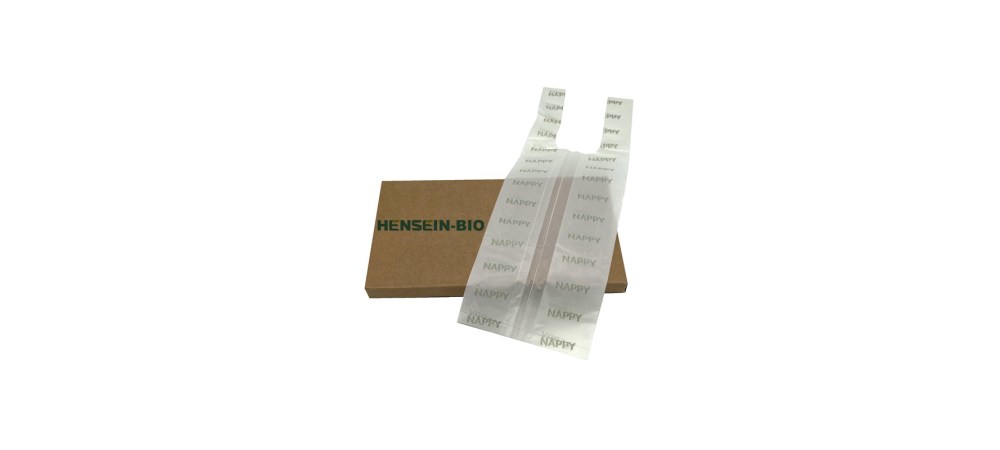
The printed nappy sack product page shows the tie-handle format. Ask for a drawing and a loose sample of the pack you are considering. Measure the clear opening at the shoulders, then load the reference nappy and check how much handle is left for tying.
Measure the sack in three places
Lay the bag flat with the seams relaxed. First measure its nominal flat width and identify whether the figure includes the side seams or folds. Then open it and check the clear width at the point where the bundle must pass. A side fold can add room when it opens, but the opening at the shoulders may still be the tightest point. Take a second reading across that constriction if it differs from the body.
Measure usable body length from the inside of the bottom seal to the point where the contents would start to interfere with the intended tie. Overall length can include the handles and the seal allowance. Keep the two values on the drawing with different reference lines. That lets the buyer understand why two bags with the same advertised length can leave a different amount of usable space after loading.
Finally, record the handle reach on each side. The free portion above a loaded bundle is what the operator can grip. Longer-looking handles can still be awkward if the shoulders are stretched tight around the contents. Shorter handles may be fine with a small bundle if there is enough free film for a normal knot. Put a photo of the tied sack beside the flat drawing. Neither view tells the whole story by itself.
Try the opening with the intended pack
Take a sack out of a sample retail pack and open it as someone would at a change. If bags are folded or interleaved, the presentation affects where a person first grips the film. When two candidates use different folding methods, record that separately so a difficult-to-dispense pack does not get misdiagnosed as a narrow bag. Check a sample from the beginning and nearer the end of the pack if the dispensing arrangement relies on the stack holding its shape.
Have the adult trial participant take the roll in the usual grip. Observe whether they can hold the sack open while inserting the roll in one smooth movement. Write down the point that catches. A handle shoulder catching a tab calls for a different adjustment from the bottom seal taking the weight while the opening is still under tension. If the operator has to stretch the mouth or push against the bundle with both hands, ask what motion would be possible in normal use. Do not let an unusually careful demonstration define the fit.
Check the tie after the bundle settles
Let the roll settle into the bag before bringing the handles together. Tie it using the motion the pack instructions expect, if there are instructions. Look for a corner trapped in the neck, handles pulled flat against the bundle, or a knot that works only if the roll is pressed down while tying. If the intended closure is one simple knot, assess that action. Record any extra wrap or second knot separately because it changes the amount of free material required.
Lift the tied sack a short distance in the manner intended for disposal and set it down. Support the trial safely and use the clean stand-in. Check whether the load moves into the neck or leaves a handle with so little grip that the operator immediately grabs the bag body. Those observations describe fit and usability. If the project also needs quantitative carrying performance or liquid containment evidence, specify a separate test with a method and acceptance criteria appropriate to that use.
| Fit record | Enter the condition or measurement | Describe the result in words |
|---|---|---|
| Regular rolled nappy | Roll length, width and thickness with reference photo | Easy entry or where the bundle catches |
| Largest bundle in the proposed pack description | Same measurements, including any wipes or projecting tabs | Whether the bag can be tied with the intended knot |
| Bag drawing and sample | Flat width, clear opening, usable body length and total length | Whether the dimensions match the reference points agreed with the supplier |
| Handle allowance | Free length after the load settles and handle shape | Whether hands can form the knot without compressing the load |
| Pack sample | Folding direction and reference for the pack count | Whether a single sack comes out and can be opened as intended |
| Carry to disposal | Intended grip and short transfer used in the trial | Any movement of the bundle or loss of grip |
Keep individual observations when more than one person tries the sample. “Opening tight” is hard to use later. “The loose tab on the largest roll caught at the right shoulder in two attempts” points to a visible problem you can reproduce. If someone succeeds by rolling the sample more tightly than the others, record the difference in preparation. It may be useful for instructions, but the team still has to decide whether the pack can reasonably rely on that technique.
Give the buyer dimensions they can interpret
For the consumer listing, distinguish the bag from its retail box and explain the stated measurement. A line such as “flat bag width, usable body length below the handles, and overall length including handles” tells a shopper what was measured. It also lets the merchant spot errors when the artwork supplier or marketplace team copies figures into several channels. Keep expanded depth or side-fold measurements as separate labelled fields where they apply.
For your retail master data, the GS1 Package and Product Measurement Standard describes how nominal trade-item dimensions are communicated at different packaging levels. Use the applicable rule for the retail pack or shipping case. Your fit drawing for the individual empty sack is a different record, with reference points for the film and handles. Keep both under the same SKU and revision so a carton dimension never appears on the consumer page as the bag width.
If you give a compatibility example, describe the tested bundle in everyday terms and add clear dimensions where useful. A buyer shopping from home can make more sense of a stated maximum bundle size than a vague comparison such as “large.” Where consumers will not measure, give an example that matches the trial and leave the limits easy to find. If a single size suits the standard bundle but gives an unreliable tie on the biggest one, consider separate pack sizes or a narrower pack description. Check how the extra SKU would affect shelf space, inventory and pack count before adding it.
Suppose the regular roll in a trial is 145 mm long and 80 mm across at its widest point. A second roll is only 10 mm longer, but an outward-folded tab makes its widest point 105 mm. If both rolls settle below the same tie line but the second one catches on entry, you have a reason to ask for a different opening geometry. A proposal that adds 10 mm to total bag length could leave the obstruction untouched. Review the requested change on the drawing and ask to see it on the loose sack before revising the pack dimensions.
NHS guidance advises keeping nappy sacks out of the reach and sight of young children and away from cots. Allow room for clear safety wording on the pack and keep it legible at the retail size. Confirm the wording and market requirements before approving artwork.
Decide when to ask for another sample
Ask for a wider clear opening when the largest intended bundle repeatedly catches at the shoulders, even though the body still has space. Ask for usable length when the roll enters easily but pushes into the tying area. If the sack fits and closes but is repeatedly difficult to take out singly, request a pack sample with the proposed folding or dispensing arrangement. A larger bag may leave that last problem exactly where it was.
Compare formats in the nappy sack category. For a sample inquiry, send HENSEIN-BIO the rolled-bundle photos and proposed pack count. Mark the point where the bundle catches or the handles run short on the bag drawing, and attach a photo of the current sack tied around that bundle if you have one.